
Get to know our brands





Get to know our brands

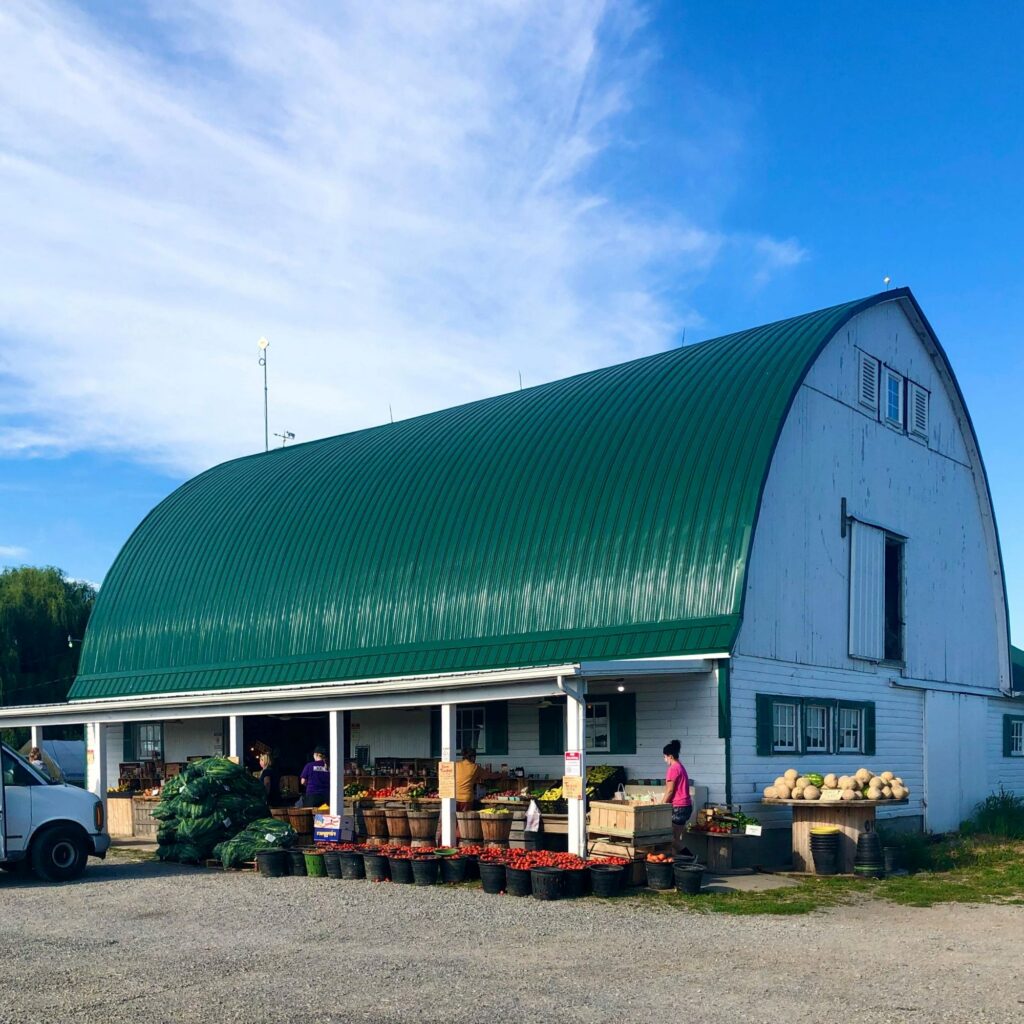
Sourcing local produce and supporting small farms helps you serve fresher food, create seasonal menus, and build stronger relationships with suppliers. Buying local produce builds a more resilient procurement strategy when paired with the right distributor and sourcing structure. The key is not replacing your entire supply chain, but adding local sourcing to it in a way that works for your volume, kitchen, and menu.
We break down how it works in day-to-day operations and how to scale it as your business grows. But first, let’s define local sourcing and what it means to support small farms:
Local produce sourcing means buying fruits and vegetables from farms or suppliers in your region instead of relying entirely on national distribution. Unlike a purely direct-from-farm model, most large-scale local produce sourcing programs rely on distributors to provide consistency, food safety oversight, and logistical support.
In reality, most organizations across foodservice, hospitality, healthcare, and education don’t source everything directly from a farm—and that’s okay. The goal is not to go “fully local.” It’s to build a system where local and regional items supplement your existing partnerships without creating operational headaches. This approach is especially important for multi-unit operators that need a reliable supply across multiple markets.
Local sourcing typically happens in a few ways:
When you source locally, you’re not only reaping operational benefits, you’re engaging with communities on a more local- and regional-level. Supporting small and mid-sized farms delivers meaningful benefits across the supply chain, especially when integrated into a broader local produce program.
Local food sourcing helps operators build stronger supplier relationships by creating more direct connections between farms and end users. These relationships can lead to improved communication, better forecasting, and more responsive supply.
There’s also a broader impact. Supporting small and mid-sized farms helps strengthen your local food system and keep more dollars circulating in your community. Small farms continue to play a vital role in regional food systems, even within large-scale procurement environments.
There can also be freshness and distribution advantages in certain markets. Shorter travel distances can mean less time in transit and better quality on the plate. That’s a win for local farmers, produce distributors, and our customers.
Plus, local farms and distributors regularly introduce seasonal items to help keep menus interesting and relevant. Seasonal produce sourcing enables menu flexibility. Local distributors are eager to share innovative items, such as cauliflower rice or squash noodles, and educate operators on the best season to buy select produce. Many local farms even offer tours for chefs and managers to show them firsthand the quality and variety of produce.
This is all already happening at scale. Foodbuy’s partners at NPC Powered by Foodbuy work closely with local fresh produce houses throughout the year to identify seasonal produce items and the farmers who supply them. Distributors are responsible for ensuring that products meet Foodbuy standards, including working with farms that follow established food safety practices such as GAP certification.
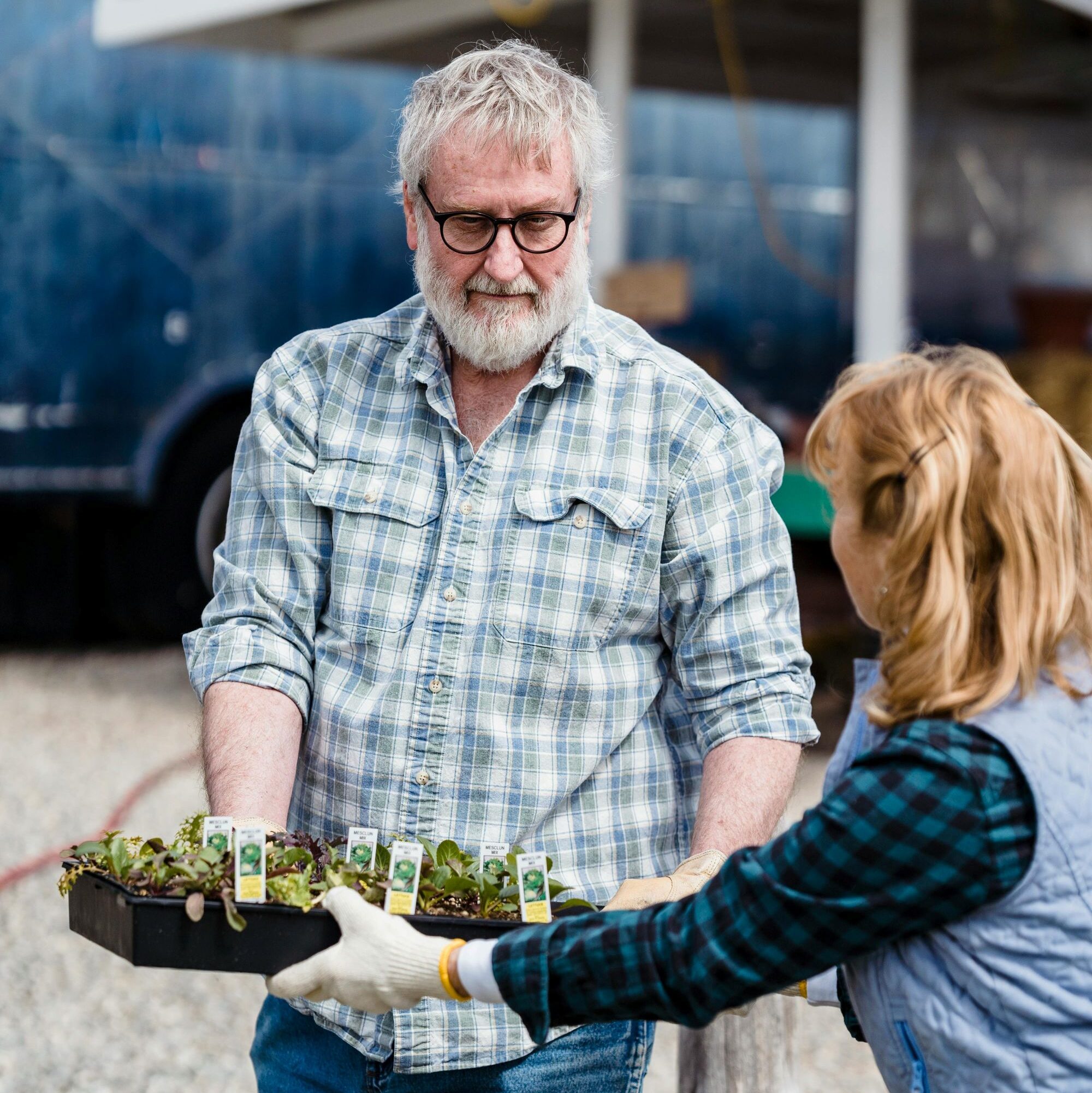
A successful local produce sourcing strategy requires a structured, intentional approach that balances flexibility with operational needs.
Look at your menu and ask a simple question: where does local produce procurement make sense? High-volume staples, such as lettuce, tomatoes, or onions, may require a more consistent supply, while seasonal or specialty items are often easier to localize.
You should also think about consistency. If an item drops out of season, what is your backup plan? Can you substitute, or do you need a stable, year-round source? Planning for variability ensures that menus remain consistent even when certain local items are unavailable.
Operators can choose from several local produce procurement models, depending on their scale and operational complexity:
Sustainable Produce Sourcing Models | ||||
|
Model |
Best For |
Main Advantages |
Main Challenges |
Best Use Case |
|
Direct Farm Sourcing |
Independent restaurants, chef-driven concepts, and smaller operators |
Strong farm relationships, menu differentiation, specialty access, story-driven sourcing |
More coordination, less built-in redundancy, harder to scale across locations |
Seasonal specials, specialty produce, and local menu storytelling |
|
Distributor-Supported Local Sourcing |
Multi-unit operators, institutions, hospitality groups, and larger foodservice programs |
Broader market coverage, easier logistics, food safety/QA support, delivery coordination, reporting |
May feel less direct than farm-only sourcing, depending on distributor network quality |
Every day, local produce procurement across multiple units or regions |
|
Hybrid Local Produce Program |
Operators who want both flexibility and scale |
Balances direct farm value with distributor efficiency, supports regional variation, and improves resilience |
Requires clearer program management and supplier standards |
Best overall long-term strategy for operators building a scalable local produce sourcing program |
For most restaurant owners, that hybrid model hits the sweet spot. It lets you highlight local ingredients without overcomplicating your operations.
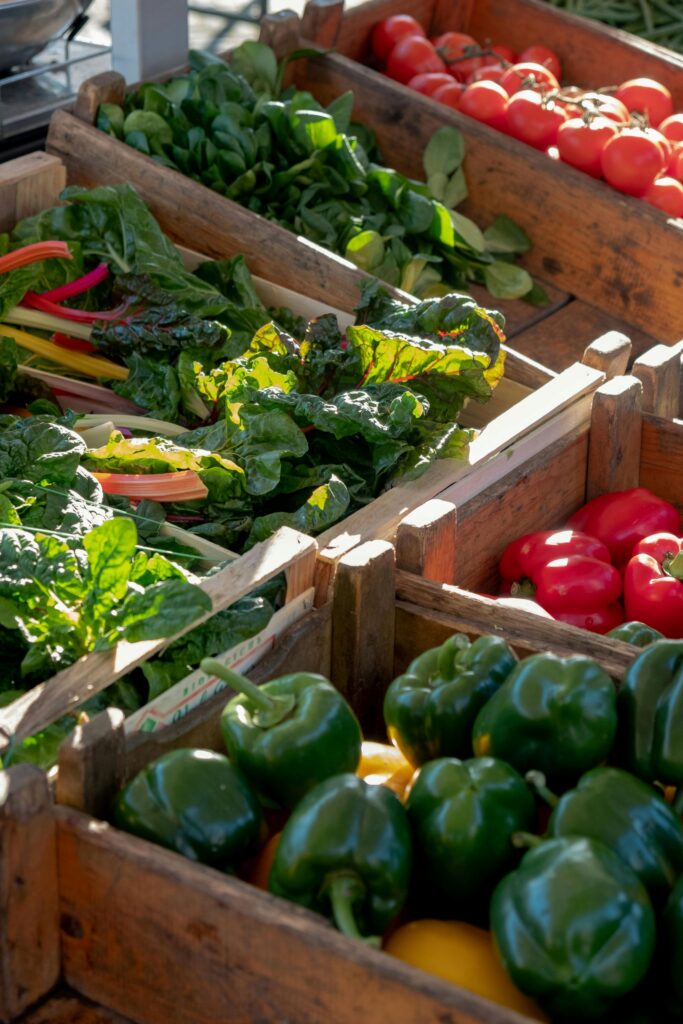
Seasonal produce sourcing is often the most practical entry point for local food sourcing programs. Seasonal produce is usually more available, often more affordable, and typically at its best quality. It also gives you a natural way to rotate menu items, run specials, or introduce limited-time offers. Over time, building your menu around seasonal produce sourcing can make your kitchen more adaptable and your purchasing more efficient.
Your Foodbuy or NPC Powered by Foodbuy account manager can help you understand what’s coming into season and when to plan for it.
Food safety and quality assurance should remain a top priority in any local produce program. You still need to know where your food is coming from, how it’s handled, and whether it meets food safety requirements. That means asking about certifications, understanding traceability, and making sure your suppliers have clear processes for quality control and recalls.
In structured programs, distributors take on much of this responsibility by vetting farms and ensuring they meet established safety standards. Foodbuy’s approach includes working with distributors who verify supplier compliance and only accept farms that meet defined safety standards and quality expectations. That kind of support becomes especially important as you scale.
If you’re looking to start or expand your local sourcing, you have several options.
If you already partner with Foodbuy, you’re in luck, as this grants you access to several produce-sourcing programs that can make identifying the right partners for the right products easier.
Managing a produce portfolio is no small feat, especially when you’re trying to work in regional and local programs. That’s why NPC Powered by Foodbuy offers managed produce services for Foodbuy Members. When you sign on, you receive the support of fresh produce category experts with strong grower and shipper relationships across the country.
This team will customize sourcing support to your needs, connecting you with resources like online ordering platforms and data analytics tools. They can create order guides on your behalf and advise you on which local and regional programs best fit your broader purchasing strategy.
In the complicated world of produce procurement, it’s easy for smaller farms to fall through the cracks within procurement plans. That’s why Foodbuy and Compass Group partner together on the Grow With Us Program. In select regions, Foodbuy connects key local farmers and distributors to Members to create mutually beneficial sourcing relationships.
The farmers and distributors gain exposure to more businesses, while the Foodbuy Members gain access to high-quality produce, they may not otherwise be able to find.
The easiest way to start sourcing locally is to follow the seasons. Build flexibility into your menu so you can rotate items based on availability. Use seasonal ingredients for specials, limited-time offers, or featured dishes. You don’t need to overhaul your entire menu. Even adding a few seasonal items can make a noticeable difference in quality and guest perception.
Working closely with procurement partners helps operators identify in-season opportunities and plan accordingly. This approach supports more efficient purchasing, reduces reliance on long-distance supply chains, and keeps menus fresh and relevant.
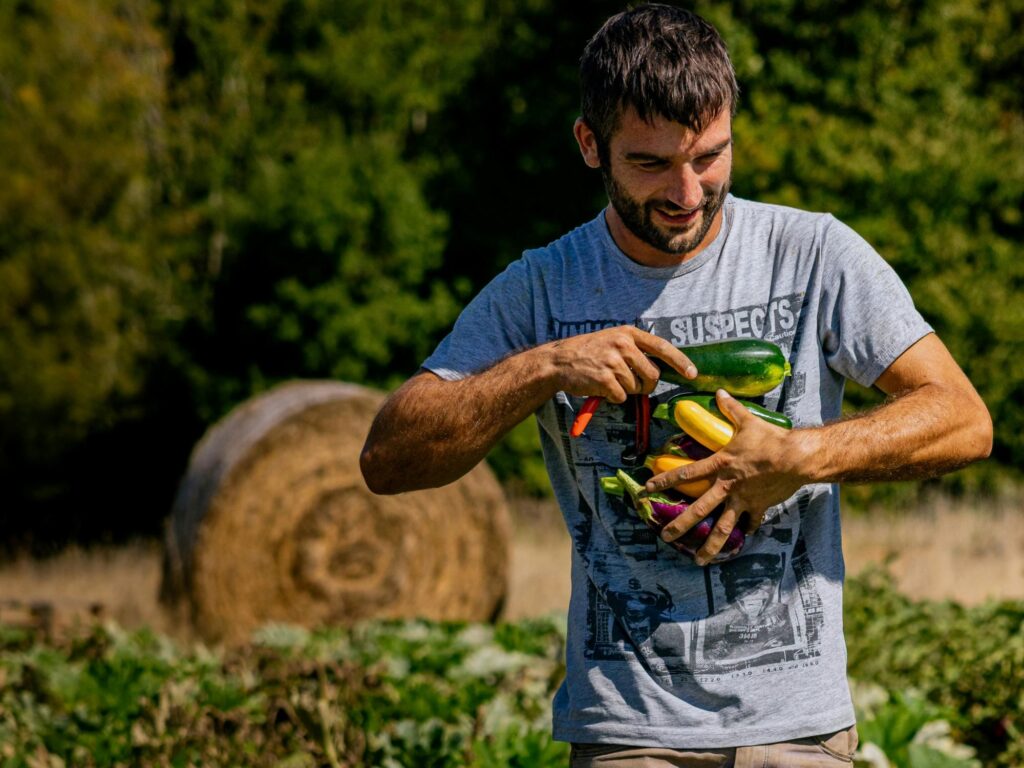
Scaling local produce sourcing requires flexibility with structure. Creating regional sourcing strategies allows for flexibility across markets while maintaining overall procurement consistency. You’ll need to standardize which suppliers you use, define which items can be sourced locally, and create consistency across locations while still allowing for regional differences.
This is where procurement partners become essential. They give you access to multiple local suppliers while maintaining centralized oversight, reporting, and quality control. Centralized reporting, quality assurance processes, and procurement oversight ensure that local sourcing programs remain consistent and reliable.
If you’re telling your customers something is local, you need to be able to back that up. Start by asking your suppliers where the product is coming from and how they define “local.” Make sure there is documentation to support it. Distributor labeling systems and sourcing processes should be clearly communicated and consistently applied.
You should also review traceability and food safety processes to make sure everything meets your standards. Consistency matters here—especially if you have multiple locations. Verifying the source of local produce is essential to maintaining trust and transparency. If you work with a group purchasing partner like Foodbuy, these steps will be taken care of during their program vetting process.
The best sourcing systems take time to develop. A successful local produce program starts with a focused, practical approach.
Operators should begin with seasonal categories that are easier to source locally and expand over time. Using a mix of direct farm relationships and distributor-supported sourcing allows for both flexibility and scalability.
Prioritizing food safety, traceability, and reporting ensures that local sourcing efforts meet operational standards. Designing programs for adaptability—rather than perfection—helps operators respond to changing availability and market conditions.
Ultimately, local produce sourcing should be integrated into a broader procurement strategy, enhancing overall performance rather than functioning as a standalone initiative. Local produce sourcing should make your restaurant better, not more complicated.
Foodbuy helps restaurants integrate local produce sourcing into a broader, more manageable procurement strategy. Through established distributor networks and supplier relationships, Foodbuy offers access to local and regional produce without requiring operators to manage every farm directly.
Account managers and category experts help identify sourcing opportunities, plan around seasonality, and build programs that align with your menu and volume. With support from account managers and category experts, operators can integrate local produce sourcing into their broader sourcing strategies.
Managed distributor relationships, reporting tools, and quality assurance processes to help ensure consistency, transparency, and operational efficiency. This allows operators the benefits of sourcing local produce while maintaining the structure and support needed to scale.
Restaurants can work directly with local farms, partner with produce houses that aggregate from multiple growers, or use distributors and procurement partners that offer access to local suppliers across their region.
Restaurants can source seasonal local produce by planning menus around what is in season, using seasonal ingredients for specials or rotating dishes, and working with suppliers or distributors to identify the best opportunities throughout the year.
Group purchasing organizations connect restaurants to multiple local farms, aggregate spend to secure better pricing, ensure food safety standards are met, and provide tools and support to scale local sourcing programs.
Restaurants can scale by standardizing suppliers, planning regionally, leveraging group purchasing partners, and implementing systems for quality control and reporting.
Restaurants can verify claims by reviewing supplier documentation, understanding distributor labeling practices, confirming traceability systems, and establishing clear internal definitions of what qualifies as local produce.